
Cars and light vehicles
Chip repair, or a new screen.
Two very different jobs. Which one you need is decided by how big the damage is, where it sits on the glass, and how long it has been there.
Which one you need
Repair first, if the damage allows it.
When a chip can be filled
Small stone chips, away from the edge of the glass and out of the driver's line of sight, can usually be resin-filled. The screen stays in the car, so the factory bond between glass and body is never disturbed — which is the strongest argument for repairing something that can be repaired.
When the screen has to come out
Cracks that have already run. Damage sitting right on the edge of the glass, where the bond does its work. Chips in the driver's sight line. And anything that has been left long enough for dirt and water to get into it, because resin will not bond to a dirty break.
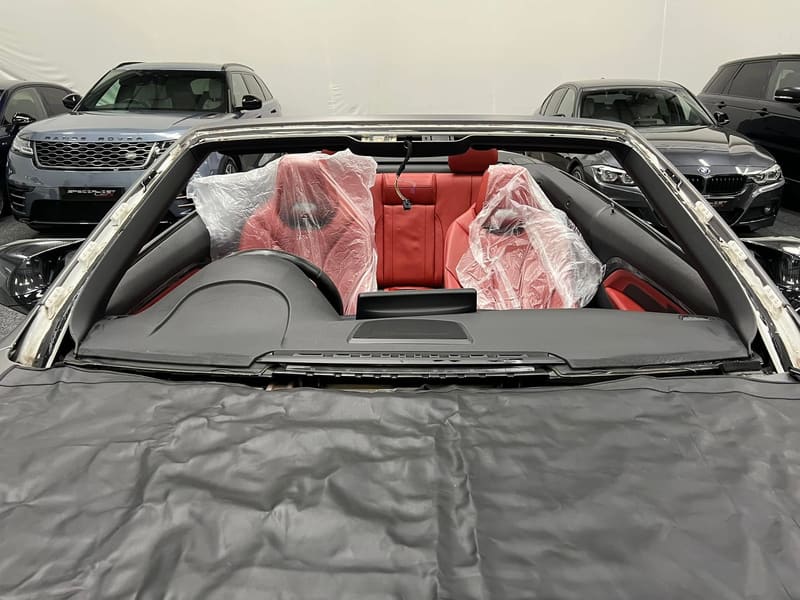
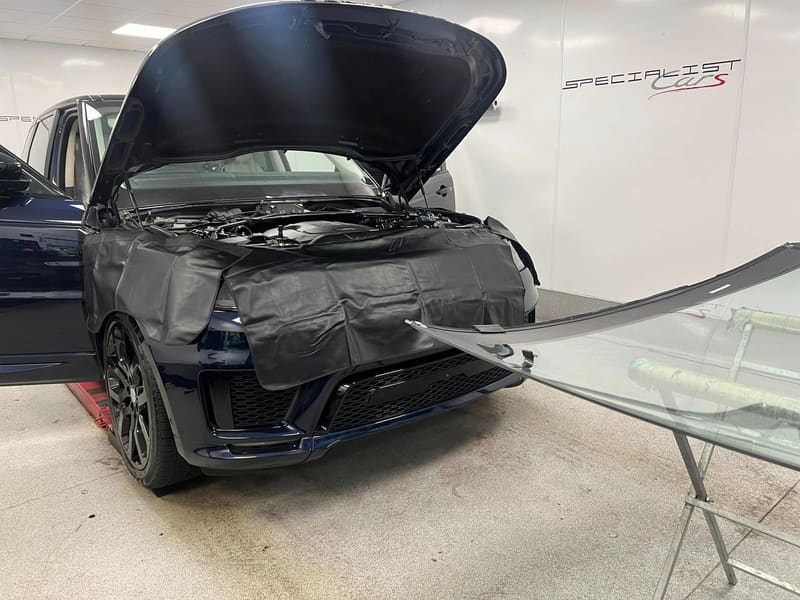
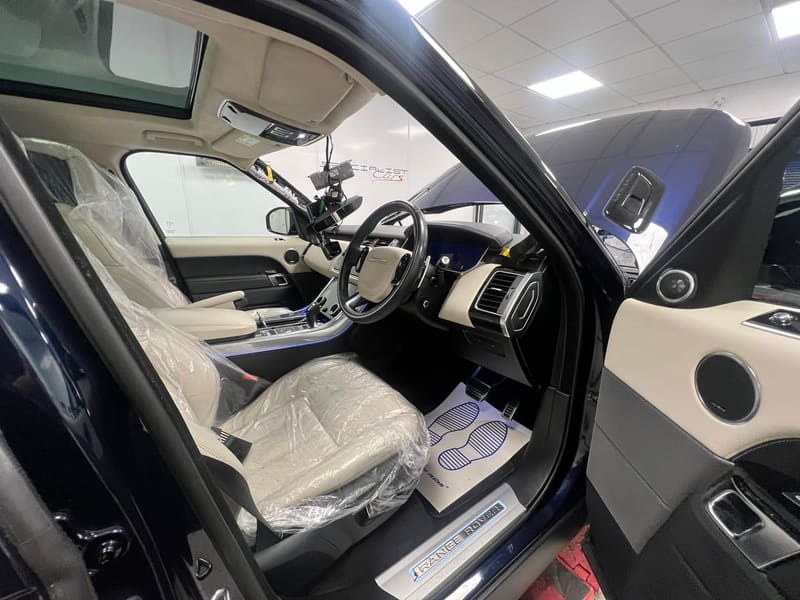
On a replacement the old screen is cut out, the aperture is cleaned back to a sound surface, and the new glass is bonded in. Covers go over the wings, the bonnet and the interior before any of that starts.
Vehicles we take on
- Cars, from everyday runabouts to prestige and performance
- Vans, pickups and light commercial vehicles
- Side, rear and body glass as well as windscreens
Worth knowing
A repair is not a guarantee.
Now and again a chip breaks out into a crack while it is being filled. It happens because the damage under the surface was worse than it looked from the outside, and no one can see that until the resin goes in.
If a chip looks marginal, we will say so before starting rather than after. That is not a disclaimer buried at the bottom of an invoice — it is the conversation we would rather have first.
Next step
Send us the registration and a photo of the damage.
The registration identifies the right glass for the vehicle, and a photo usually settles the repair-or-replace question before anyone drives anywhere.